
Not happy with your new dentures?
Is it you, or is something wrong with the denture? Get a second opinion.
A denture adjustment relieves a sore spot or grinds a heavy bite in, so your denture sits comfortably against your gums again. Adjustments are a normal part of getting a new denture, and your gums keep changing over the years too.
Still uncomfortable after a few adjustments? It’s worth a second opinion. We take the time to find what’s causing the problem, and simple adjustments can often be done the same visit.
What an adjustment does for you
A denture that doesn’t fit well makes everyday things harder. An adjustment helps with:
- Comfort: eases pressure points that rub or cause soreness against your gums.
- Security: helps a denture that’s started to move feel steadier.
- Eating: grinds in a heavy bite so your teeth meet more evenly.
- Speech: a steadier denture can make talking feel more natural.
- Peace of mind: you find out whether the problem can be fixed, or whether the denture is wrong.
Book a consultation
Call, text or send an enquiry. We get back to you within four business hours.
Who needs a denture adjustment?
Anyone who wears a denture can need an adjustment, whether it’s brand new or years old, and whoever made it.
You don’t have to put up with discomfort. Come in when something feels off rather than waiting. These are the things people come in with:
- “My new dentures hurt”: pain that hasn’t settled after the first few weeks.
- Sore spots or rubbing: your denture rubs or presses on your gums in certain places.
- Too loose or too tight: it drops, lifts or presses when you eat or talk.
- A heavy bite on one side: your teeth hit one side first when you close.
- “My bite doesn’t feel right”: your jaw feels pushed forward or your teeth don’t meet evenly.
When another option might suit you better
Sometimes an adjustment on its own isn’t enough. Depending on your denture, one of these may be a better fit:
- A remake: if the bite was recorded wrong, an adjustment can’t correct it. We recently remade a full upper another clinic had made three months earlier.
- Relines: if your gums have changed shape a lot, a reline refits the whole surface that sits on your gums.
- Repairs: if your denture is broken, a repair fixes the damage.
We’ll tell you straight which one you need, and why.
What types of denture adjustments are available?
There are a few common types of adjustment, depending on what’s causing the problem.
We work out what’s causing the discomfort before we recommend a fix, and we often do more than one type of adjustment in the same visit.
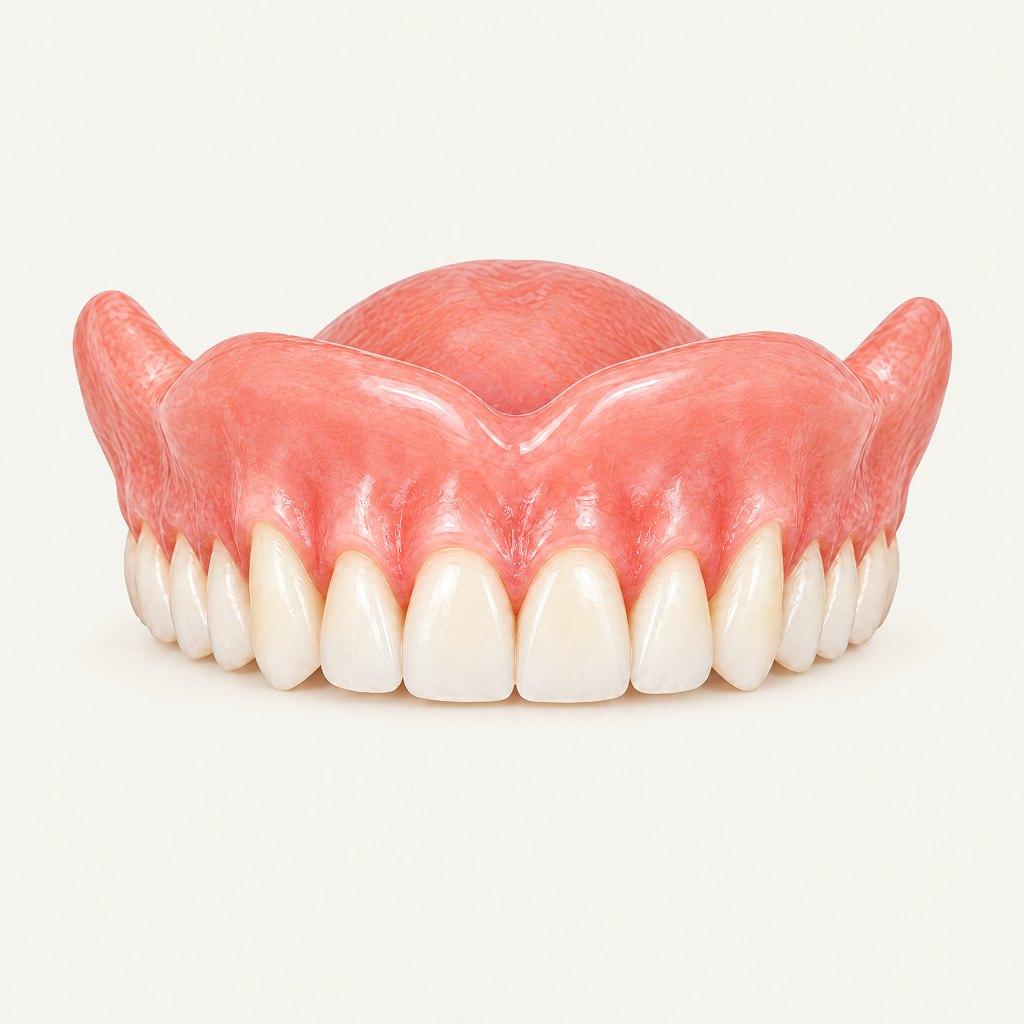
Sore spot relief
Sore spots happen when part of the denture presses too hard on your gums. Small changes to the fitting surface ease that pressure.
- Signs: tender, red or rubbed areas on your gums where the denture sits.
- The fix: We find the pressure point and relieve the denture in that area.
- Best for: new dentures settling in, or older dentures that have started to rub.
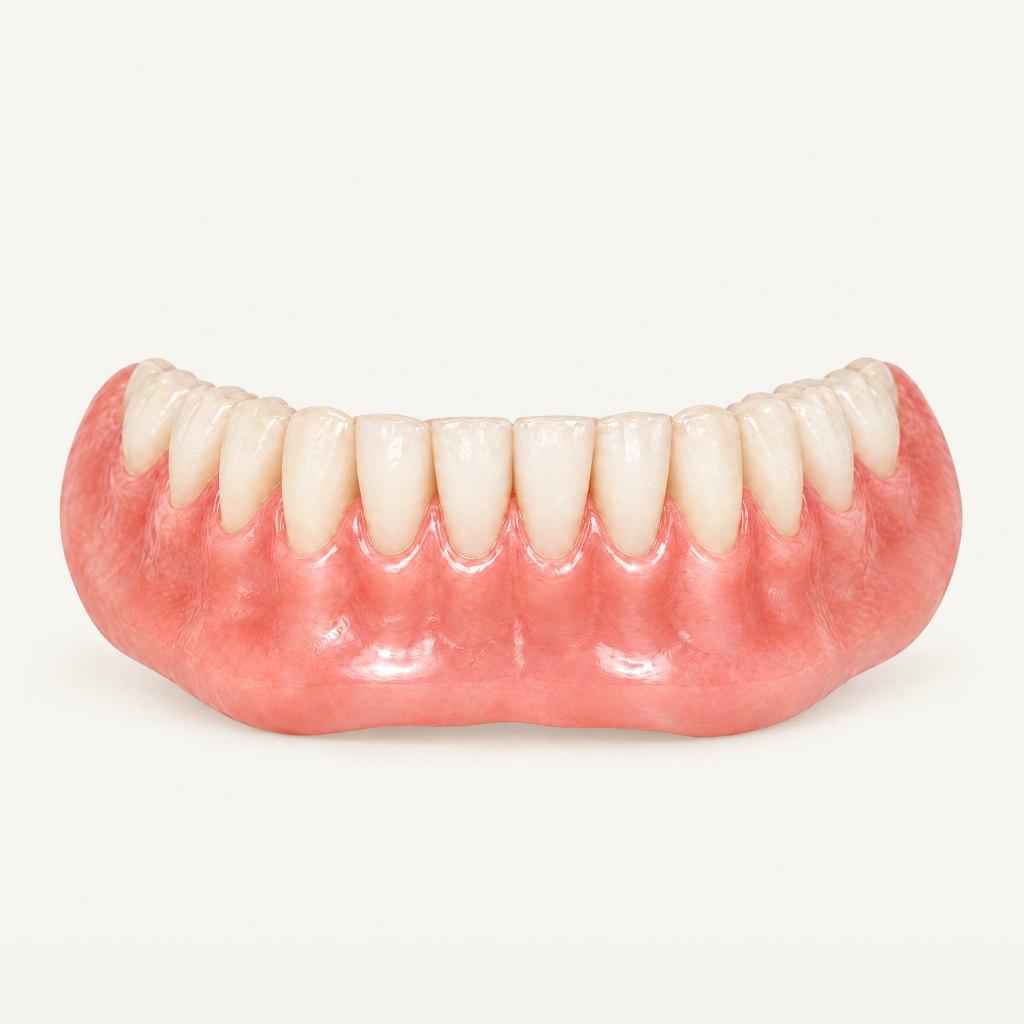
Fit adjustments
If your denture has started to move or feel less secure, we can often improve how it sits against your gums and, for partials, around your natural teeth.
- Signs: your denture moves when you eat or talk, or feels less secure than it used to.
- The fix: small changes to improve how the denture sits in your mouth.
- Best for: dentures that have loosened slightly, where a full reline isn’t needed yet.
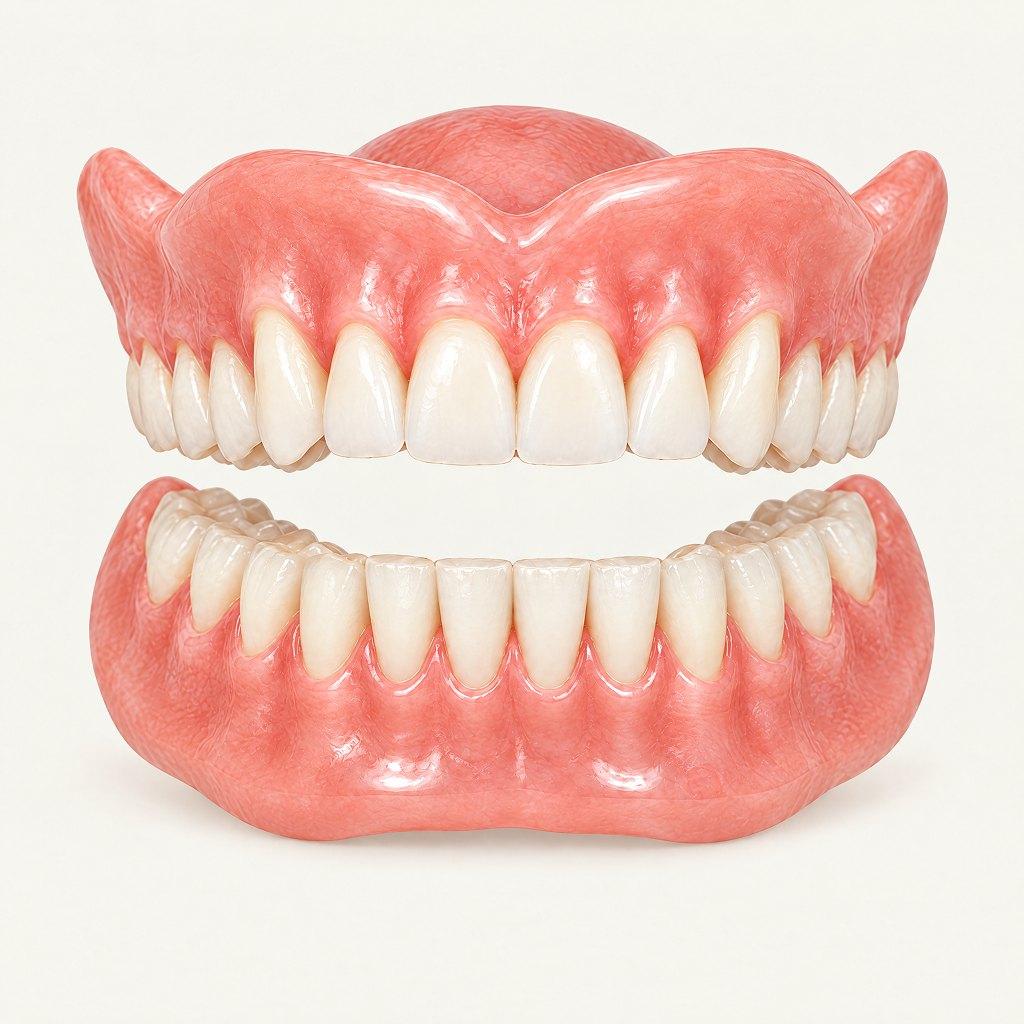
Bite adjustments
Your bite is how your upper and lower teeth come together. If one side hits first, chewing feels awkward and puts extra pressure on your gums.
- Signs: teeth that hit in one spot first, or chewing that feels uneven.
- The fix: grinding in the heavy spots so your teeth meet evenly.
- Limits: a bite that was recorded wrong needs a remake, not an adjustment.
The denture adjustment process
Most adjustments are quick and often done the same visit.
Every adjustment starts with finding out what’s causing the problem, so we can target the fix.
- Your concerns: We ask where it hurts, when it moves, and how long it’s been happening.
- Oral examination: we check your gums for sore spots and signs of pressure.
- Denture check: we look at how your denture sits, how your bite meets, and whether the denture is technically correct.
- Pressure points: We relieve areas that rub to take the pressure off your gums.
- Fit: we make changes to help the denture sit more securely.
- Bite: we grind in heavy spots so your teeth meet evenly.
- Comfort: We check the sore spots have eased.
- Stability: we check the denture sits securely when you bite and talk.
- Fine-tuning: we make any further small changes on the spot.
- If it can’t be fixed: We tell you, explain why, and talk you through your options.
- Clean and polish: every six months is good practice.
- Fit check: come back at least every two years, or any time something feels uncomfortable.
How much does a denture adjustment cost?
The cost depends on what your denture needs.
Every case is different, so we discuss cost after you’ve booked and we’ve seen what your treatment involves.
What affects the cost
- Extent of the work: how much adjustment your denture needs.
- Relines: whether a reline is also required.
- Remakes: whether the denture needs to be made again.
Ways to pay
We’re upfront about cost once we’ve seen you, and there are a few ways to manage it:
- Health funds: we accept all major health funds and claim on the spot with HICAPS, so you only pay the gap.
- MediPay payment plans: spread the cost over instalments, so you can go ahead with the right treatment rather than a compromise.
We accept all health funds
We work with all major health insurance providers, so you can claim toward your treatment on the spot with HICAPS.


